Ta’leem for the Jamaat of Daar-ul-Ehsaan, USA
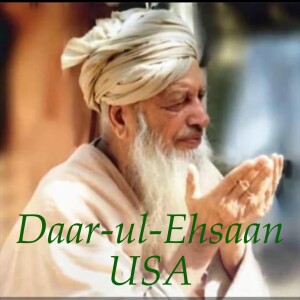
Immerse yourself in this captivating podcast featuring rare recordings from the 1990s by Hazrat Muhammad Akhtar ’Ali, the esteemed Ameer Emeritus of Daar-ul-Ehsaan, USA. Designed for the devoted Jamaat of Daar-ul-Ehsaan and the mureeds of Shaikh-ul-’Aalam Abu Anees Muhammad Barkat ’Ali (Qaddas Allahu sirrah ul-Aziz), lovingly called “Babaji”, these treasured audio archives offer a profound glimpse into the spiritual teachings and guidance of an extraordinary era.
Listen on:




Episodes
Wednesday Nov 26, 2025
Wednesday Nov 26, 2025
Who Am I? Ego, Soul and the Primordial Covenant
In this recorded ta'lim session dated April 5, 1997, a senior teacher leads a reflective lecture responding to a question from Brother Abdul Aati about feeling coerced when others say certain beliefs place someone outside the Muslim community. The session includes questions and brief contributions from attendees (notably Brothers Idris and Shafiq) and centers on identity, belief, and spiritual purification.
The speaker opens by reframing the problem: before debating coercion, we must ask "Who am I?" He contrasts the ego-based identity — the name, memories and conditioned reactions formed in childhood — with the deeper, timeless soul that affirmed the primordial covenant (Alastu bi rabbikum). The talk explains how mistaken self-identification produces fear, rebellion, distorted perceptions, and harmful behavior.
Using practical analogies (green glasses, river current, doctor/patient, animal flight-or-fight), the teacher explores how childhood conditioning creates habitual reactions to authority and stress, and how those habits can appear as rebellion against divine or civil laws. He argues that laws — whether human or divine — are structured with built-in benefits and penalties, and that perceiving them as "coercive" often stems from unresolved ego and misplaced identity.
Core themes include the role of reason (aql) and its proper place: examine belief rationally until convinced, then move beyond the intellect in surrender and certitude. The Qur'an and Sunnah are presented not merely as rulebooks but as a healing, merciful guidance intended to purify the self so one can surrender willingly, develop tawakkul (trust in God), and recover the true, timeless identity.
The talk addresses concrete examples — addiction, delinquency, fear in ordinary life, and moral rebellion — showing how spiritual purification changes responses and frees people from false identities. The speaker emphasizes mercy: Allah’s laws aim at well-being, and ultimately people choose their destiny by conforming or rebelling.
Listeners can expect a contemplative, pastoral lecture that combines theology, psychology, and practical metaphors designed to help individuals recognize ego-driven patterns, apply Qur’anic healing, and cultivate sincere surrender to God. The session concludes with prayers for purification, guidance, and the opening of hearts to divine truth.
Thursday Nov 27, 2025
Thursday Nov 27, 2025
Facing the Day of Judgment: Submission, Surrender, and the Sirat
This episode explores the Islamic teachings on the Day of Judgment and the spiritual path of submission. The speaker reflects on the terrifying events of Yawm al-Qiyamah — its 50,000-year trials, the melting earth, overwhelming heat, the procession to the Prophets, and the Sirat bridge — to emphasize the urgency of sincere worship and preparedness. Central themes include the stages of fana (annihilation) in relation to the Shaykh, the Rasul ﷺ , and Allah; the essential role of submitting to a spiritual guide; the difference between knowledge and true submission; and the meaning of 'sami'na wa ata'na' as an immediate, reflexive obedience. Using personal examples and anecdotes, the speaker highlights the importance of adab (proper etiquette), respect for all life, and consistent practice over mere ritual or lip service. Practical advice is given on seeking permission, maintaining sincerity under hardship, watching one’s ego, and learning from seasoned members of the Jamaat. Listeners are encouraged to study their manuals, practice humility, and strive for genuine surrender to draw closer to Allah.
Thursday Nov 27, 2025
Thursday Nov 27, 2025
Transcending the Self: Guidance from the Light of Rasulullah ﷺ and Shaykh Abu Anees Muhammad Barkat Ali (Quddas Sallallahu Sirrahul Aziz)
This episode is a heartfelt lecture delivered during a Friday night zikr gathering (4th January, third night of Sha'ban) that explores the spiritual journey from the soul's true identity to practical steps for purification. The speaker opens with gratitude to Allah and praise for the guidance of the Prophet’s Nur, and highlights Shaykh Abu Anees Muhammad Barkat Ali (Quddas Sallallahu Sirrahul Aziz) as a living source of barakah and guidance for the community.
Topics covered include the pre-existence of the soul (alam al-arwah), the primordial recognition of Allah, and how embodiment on earth creates the need for purification (tazkiyah) so the soul can rediscover its reality. The episode contrasts the Qur’an as a book of concepts with the necessity of a living guide (from the categories of Anbiya, Siddiqeen, Shuhada, and Salihin) to walk the sirat al-mustaqim in practice.
Key practical lessons emphasize surrendering internal resistance, cultivating one-hundred-percent trust in a qualified teacher, and practicing obedience and consistent dhikr. The speaker warns against ego-driven motives—self-love, pride, attachment to worldly benefits from awliya—and explains common pitfalls like procrastination, restlessness, and disobedience that block spiritual progress.
Guidance on relationships and daily life stresses detached love within family responsibilities so one is not made a slave to emotions, along with concrete spiritual disciplines: keep commitments public, seek clarification when doubts arise, watch the mind as a witness, and pursue steadfast purification rather than instant results. The talk concludes by recommending dedicated, structured spiritual groups (such as Dawul Hassan) and patience: meaning will deepen over time as one’s inner curtains are lifted.
Thursday Nov 27, 2025
Thursday Nov 27, 2025
Recorded on Friday evening, 12 February 1998 (Shawwal). The talk opens with Qur'anic remembrance and salutations upon the Prophet Muhammad (ﷺ) and centers on the supreme theme of love in Islam — its meaning, its absence in much contemporary practice, and how it transforms worship from ritual to spirit.
The Shaykh explains that true Islamic love is giving rather than taking. He highlights theological and spiritual foundations — the creation of the Nur of the Beloved from the Light of Allah, the continual darood upon the Prophet, and the hadith about bees and the sweetness of honey tied to salutations on the Prophet (ﷺ). He criticizes a reductionist religion of mere rules and argues that without love worship is like a lifeless body.
Through Qur'anic references and inspiring examples — the generosity of Hazrat Ali and Hazrat Fatima, Ibrahim's willingness to sacrifice his son, and the devotion of early Companions and great saints — the episode contrasts people enslaved by needs, desires and respect with those who give freely and therefore become beloved. Key spiritual concepts discussed include the ego (ana), purification (tazkiyah), annihilation of the self (fana), and how losing the self allows overflowing, universal love for Allah and His creation.
Practical guidance is offered: begin by giving material possessions, but progress toward the higher act of giving love without expectations; give what you love most as a test of sincerity. The Shaykh emphasizes that real love is unconditional, dissolves the self, and is the culmination of spiritual purification.
The talk closes with a reminder to abandon attachments (tark), a prayer for guidance to overcome the ego and Satan, and salaam. Listeners can expect theological insight, spiritual anecdotes, moral exhortation, and clear, actionable teaching on transforming worship through love.
Thursday Nov 27, 2025
Thursday Nov 27, 2025
Finding Allah Within: From Concept to Reality — A Sufi Guide
Date & Setting: Friday evening zikr and ta'aleem, 28 May 1998. This episode is a recorded lecture and interactive gathering in which a scholar addresses a congregation about the purpose of life and the spiritual path to discovering Allah. Audience members join with questions and brief answers, creating a live teaching atmosphere.
Topics Covered: the essential purpose of human life as outlined in Hadith al-Qudsi; the difference between conceptual knowledge of Allah and direct realization; the role of the Holy Qur'an and Allah’s names and attributes; Surah al-Fatiha and the significance of asking for guidance to Siratul Mustaqim; the necessity of a wasilah (means) and a qualified shaykh for true spiritual progress; the distinction between knowledge and wisdom; the process of tazkiyat al-nafs (purification of the soul), jihad al-nafs, and the practice of nawafil (voluntary worship).
Key Points and Guidance: the speaker emphasizes that books and intellectual concepts can only form a concept of Allah, not the living reality; real discovery requires inner purification, surrender (Islam) and focused, disciplined effort. The lecture explains the Hadith al-Qudsi description of spiritual proximity—how sustained voluntary devotion leads to Allah’s nearness until the servant’s actions become an expression of the Divine (fana, annihilation of the self). Listeners are warned against mistaking mere accumulation of knowledge for true realization; the ‘I’ (ego/identity) is identified as the principal obstacle to finding Allah. Practical counsel includes seeking a qualified spiritual guide, single-minded intention, concentrated practice like a laser, and accepting that the journey is voluntary and requires persistent inner struggle.
Who This Episode Is For: anyone seeking an introduction to Sufi philosophy of spiritual realization, students of tasawwuf, and Muslims interested in practical steps toward deepening worship beyond ritual practice. The talk offers both theological framing (Qur’anic and hadith foundations) and concrete spiritual disciplines to pursue.
Thursday Nov 27, 2025
Thursday Nov 27, 2025
Dunya: The Prison of the Believer — Lessons from the Shaykh
This episode is a heartfelt lecture reflecting on the life and teachings of the speaker’s Shaykh and the practical implementation of Prophetic hadiths. The speaker emphasizes the rarity and blessing of a Shaykh who not only wrote about spiritual ideals but actually lived them, and explains how true fuqara (spiritual inheritors) emulate the Prophet ﷺ rather than simply following older customs or worldly models.
Key topics include the mission of dawah (inviting others to Islam) and the balance between using modern tools (technology, media, travel) while staying strictly within the methodology of the Sunnah. The speaker reads a letter from a Pakistani scholar concerned about Muslim outreach, noting the dangers of adopting Western methods uncritically and urging that tactics may evolve but the essence of tabligh must remain rooted in the Prophet’s example.
The episode surveys numerous hadiths—many narrated by Abu Huraira (رضي الله عنه) and recorded in Bukhari and Muslim—warning that the dunya (world) is a prison for the believer and a paradise for the disbeliever, that attachment to wealth and luxury invites ruin, and that true possessions are what one consumed, wore out, or gave in charity. The speaker relays stern prophetic curses for those enslaved by wealth and contrasts them with glad tidings for those who sacrifice comfort in the path of Allah.
Practical lessons include prioritizing the akhira over worldly advancement, resisting the temptation to define success by material development, and understanding that the Prophet’s dua asked only for sufficient provision to preserve life and strength. The speaker also highlights the greatest tests—wives and children—and reminds listeners that worry over provision can amount to a denial of reliance on Allah.
The episode closes with a call to internalize these teachings—not merely admire them—so hearts and deeds align with the Sunnah, and with a prayer that Allah grant guidance, contentment, and the courage to live modestly for the sake of the Hereafter.
Thursday Nov 27, 2025
Thursday Nov 27, 2025
Dunya: Curse or Classroom? Unpacking Hadiths on Wealth and Attachment
In this episode a Muslim scholar leads a reflective, interactive session exploring the Quranic and hadith teachings about the dunya (this world), wealth, and spiritual freedom. Through close readings of classical hadiths and everyday analogies, the speaker examines what it means when the Prophet ﷺ is reported to have described the dunya as “accursed,” and how that statement should be understood in context rather than taken as a blanket condemnation of creation.
The episode covers several illustrative parables and hadiths: the boat-on-water and fuel analogies showing that the material world is neutral until misused; the story of the rotting lamb to explain divine perspective on worldly value; and the monkey-and-peanuts parable to highlight how attachment enslaves the soul. The speaker also references Companions and early scholars — Hazrat Abu Bakr, Hazrat Uthman, Imam Abu Hanifa, Imam Shafiʿi, Hazrat Ali and Hazrat Fatima (رضي الله عنهم)— to show how faith and worldly prosperity have coexisted in the pious lives of earlier generations.
Key theological and practical themes include the distinction between use and misuse of wealth, the spiritual danger of attachment (when possessions become masters rather than tools), and the prophetic exhortation to live as a traveler in this world. The talk unpacks concepts like ghina (true richness of the heart), relinquishment versus accumulation, and how sincere giving and detachment open the heart to remembrance and closeness to Allah.
Listeners will hear scriptural references such as Surah al-Takathur and reflections on the deeper meanings within Bismillah and Surah al-Fatiha as spiritual signposts. The episode blends theological reflection with actionable guidance: cultivate relinquishment, give with sincerity, avoid letting possessions determine your identity, and remember that deeds — not accumulated wealth — accompany a person beyond death.
The format includes audience questions and brief answers, making the discussion practical and relatable for students, professionals, and anyone puzzled by reconciling worldly success with spiritual aspiration. Whether you’re studying for a PhD, building a career, or managing family finances, this episode offers tools to reassess intention, refine priorities, and transform how wealth is approached within an Islamic framework.
By the end of the episode listeners will understand that the dunya itself is not the enemy; attachment is. The remedy proposed is a life oriented toward giving, relinquishment, and inner richness — a path that leads away from slavery to possessions and toward genuine independence and closeness to Allah.
Thursday Nov 27, 2025
Thursday Nov 27, 2025
From Miracles to Mission: Building a Lasting Jamaat
Recorded 2 August 1998, this episode is an in-depth strategic lecture for the nucleus of a Jamaat focused on dawah and tabligh. The speaker—addressing movement leaders and those responsible for policy and outreach—covers theological foundations (the purpose of creation as worship, Allah’s will, the role of messengers and awliya), the purpose of miracles and karamat as a means to attract people to the Messenger and to Allah, and the importance of adab and niyah.
Practical topics include prerequisites for sustained missionary work (total dedication, family alignment, personal sacrifice), organizational needs (documentation, photos, tapes, brochures), and media strategies for the United States: seminars, mosque outreach, public lectures, interviews, and use of video and the internet. The talk references historical examples and contemporary figures—Prophets (e.g., Isa and Musa), Shaykh Abdul Qadir Jilani, Imam Ahmad Hanbal, Sheikh Hisham, Shaykh Nazim, Mawlana Maududi—and local contributors such as Brother Nafisul Rahman, Brother Isa and Brother Tyler.
Key takeaways: the movement must follow the sunnah of using charismatic personalities and signs as a means to guide people to Allah; success requires full-time commitment from core workers rather than part-time effort; image-building must be truthful and well-packaged; materials (photographs, interviews, recordings) should be organized and widely distributed; and leaders should develop a clear, visionary plan to grow from a nucleus into a widespread, lasting movement. The episode ends with concrete next steps—organize archival material, plan interviews (Brother Isa and Brother Tyler), and return with specific outreach proposals for implementation.
Thursday Nov 27, 2025
Thursday Nov 27, 2025
Breaking the Shell: From Information to True Spiritual Knowledge
episode explores the spiritual metaphor of the ‘shell’—the mind and worldly universe that confines human perception—and the journey required to break it to discover Allah and true knowledge. Drawing on Qur’anic verses and Hadith (including Hadith al-Qudsi) and illustrated with the analogy of a chick’s instinct to peck free of its shell, the speaker explains the difference between information and knowledge: information is plentiful but temporary, while knowledge is real only through inner experience (amal) and spiritual practice. Topics include the nature of the qalb (heart) that can ‘accommodate’ the Divine, the role of the nafs and 70,000 veils between a person and Allah, the necessity of believing and practicing under the guidance of a Shaykh who embodies love for the Rasul ﷺ, and the difficulty of Jihad al-Akbar (the struggle against the self). The episode emphasizes active effort—pecking and practice—rather than passive consumption of religious information, warns against being content with concepts of worship, and contrasts mere reading with continuous zikr and devotion exemplified by true spiritual teachers. Listeners can expect practical guidance, spiritual admonitions, and heartfelt encouragement to move from knowledge as information to lived, transformative experience.
Thursday Nov 27, 2025
Thursday Nov 27, 2025
Heartfelt Dhikr & Surah Recitations: A Night of Praise and Prayer
This episode is an immersive devotional session focused on dhikr (remembrance of Allah), Quranic recitation, and heartfelt supplication. The host and participating reciters lead a continuous flow of praise, invocations, and prayers, creating a reflective and spiritually charged atmosphere.
Topics covered include collective recitation of Surah Al-Fatihah and Surah Al-Ikhlas, repeated declarations of tawhid such as "La ilaha illa Allah," takbir (Allahu Akbar), and abundant salawat on the Prophet Muhammad (peace be upon him). The episode features earnest supplications for forgiveness and mercy — including repeated invocations like "Allahumma aghfir lill-mu'minina wal-mu'minat" — and calls upon Divine names such as Yaa-Hayyu and Yaa-Qayyoom.
The format alternates between rhythmic, repetitive chants and quiet supplication; many sections take on a call-and-response or collective chanting style. Arabic recitations are interwoven with occasional English phrases and gentle commentary, emphasizing devotional practice over theological exposition.
Key points listeners can expect: guided phrases for daily dhikr, communal recitations that cultivate calm and spiritual focus, repeated prayers for the forgiveness and wellbeing of the Ummah, and a meditative experience aimed at renewing faith. This episode is well suited for anyone seeking solace, a reminder of core Islamic declarations, or a guided session of remembrance and prayer.

Welcome
Immerse yourself in this captivating podcast featuring rare recordings from the 1990s by Hazrat Muhammad Akhtar ’Ali, the esteemed Ameer Emeritus of Daar-ul-Ehsaan, USA. Designed for the devoted Jamaat of Daar-ul-Ehsaan and the mureeds of Shaikh-ul-’Aalam Abu Anees Muhammad Barkat ’Ali (Qaddas Allahu sirrah ul-Aziz), these treasured audio archives offer a profound glimpse into the spiritual teachings and guidance of an extraordinary era.